The 2nd Conference on the Development of Body Intelligent Robots was successfully held in Tianjin-focusing on scene-driven and mass production breakthroughs to explore new kinetic energy for industrial development.
2026-03-20 · Machine translation
On March 19, 2026, the Second Conference on the Development of Embodied Intelligent Robots was grandly held in Tianjin. The conference, themed “Scenario-Driven, Mass Production Breakthrough: Unlocking New Momentum for Embodied Intelligence Development,” brought together over 400 experts, scholars, industry leaders, and corporate representatives from government, industry, academia, and research institutions to discuss cutting-edge technologies, industrial pathways, and future trends in embodied intelligent robotics.
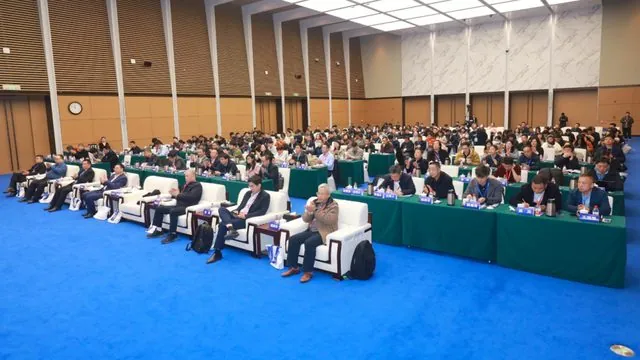
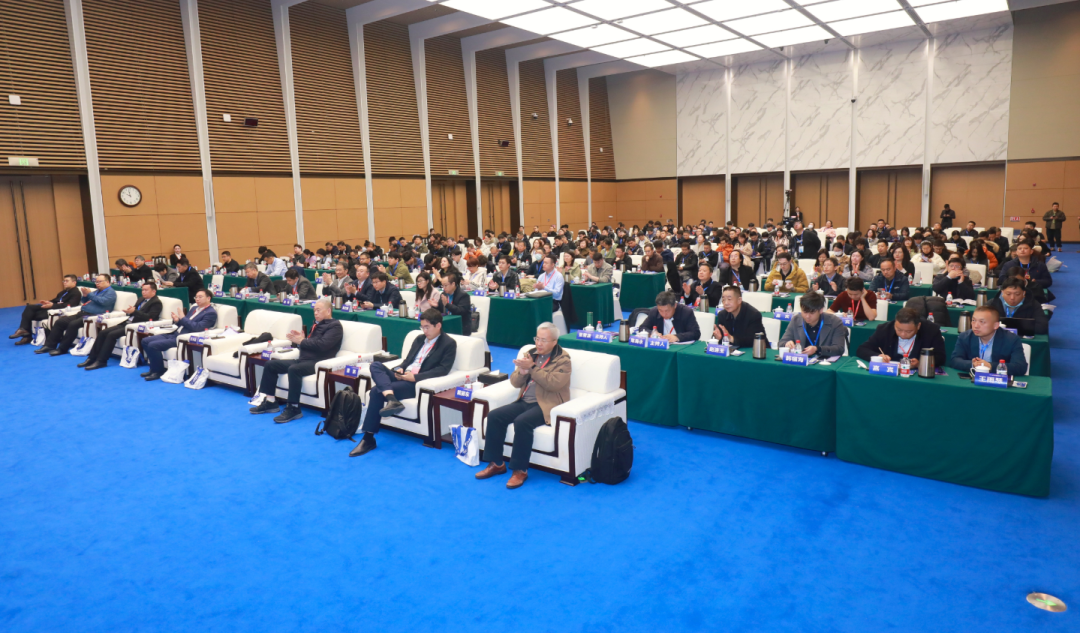
Conference venue
Under the guidance of Tianjin Science and Technology Bureau, the conference was co-sponsored by China Mechatronics Technology Application Association, Nankai University, Tianjin University, Hebei University of Technology, Tianjin University of Technology, and Zhenwei International Convention and Exhibition Group, "Robot Technology and Application" magazine, China Mechatronics Technology Application Association Body Intelligence Branch, Tianjin Robot Industry Association, Tianjin Robot Society, Tianjin Zhenwei International Exhibition Group Co., Ltd., Zhongguancun Rongzhi Special Robot Industry Alliance Co-organized, the conference also received full support from Nanjing Shenyuansheng Intelligent Technology Co., Ltd., Tianjin Astro Boy Robot Co., Ltd., Tianjin Zhiyi Times Technology Development Co., Ltd., Tianjin iRIC Intelligent Manufacturing and Robot International Joint Creation Center, and National Key Laboratory of Intelligent Power Distribution Equipment and Systems. In addition, the Beijing Municipal Science and Technology Commission and Zhongguancun Management Committee also gave strong support to this conference.
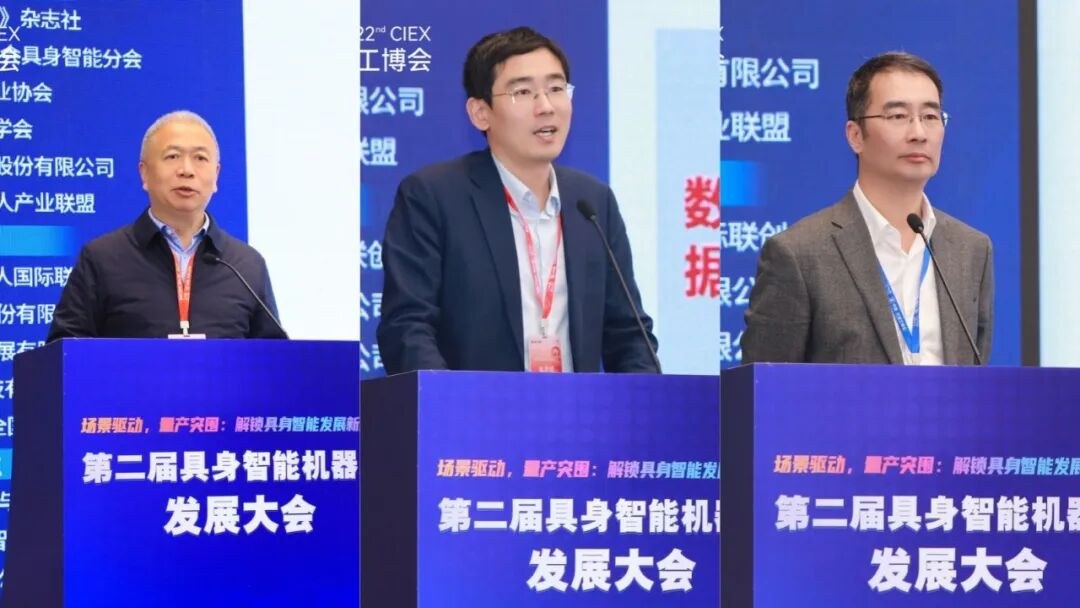
At the opening ceremony, Wang Tianyou, member of the Standing Committee of the Party Committee and Vice President of Tianjin University, Wang Jihong, Executive Vice President of China Mechatronics Technology Application Association, and Tan Zhendong, member of the Party Committee and Deputy Director of Tianjin Science and Technology Bureau, delivered speeches successively. They said that embodied intelligence, as the frontier direction of the deep integration of artificial intelligence and robotics technology, is ushering in a critical leap from technological breakthrough to industrial landing, and there is an urgent need for collaborative innovation between government, industry, academia and research, accelerate the construction of an open and win-win industrial ecology, and inject new momentum into high-quality development in the region and even the whole country.
During the keynote session, several leading experts shared insightful perspectives on the technological evolution and industrial development of embodied intelligent robots.
Liu Jinchang, a researcher at the High Technology Center of the National Natural Science Foundation of China, pointed out that intelligent technology is promoting the leap of robots from automation to cognitive intelligence, and the industrial pattern will be reshaped. Dong Kai, director of the Science and Technology Department of the China Electronic Information Industry Development Research Institute of the Ministry of Industry and Information Technology, interpreted the key tracks and opportunities of intelligent robots in the future from the perspective of national policy and industrial ecology. Professor Zhao Xin, Dean of the School of Artificial Intelligence at Nankai University, demonstrated his team's deep integration of robotics and biotechnology, bringing breakthroughs to the field of life sciences through high-precision operations.
Kirin software artificial intelligence technology expert Han Fuhai stressed that in the intelligent body boom, system-level security architecture is the core base of industrial scale. Professor Deng Sanpeng of Tianjin University of Technology and Education focused on talent development, exploring pathways for industry–university collaboration in cultivating multidisciplinary professionals. Professor Dai Zhendong of Nanjing University of Aeronautics and Astronautics shared how animal motion intelligence migrated to robot motion training from the perspective of bionics, providing new ideas for improving the dynamic adaptability of robots.
Keynote Address
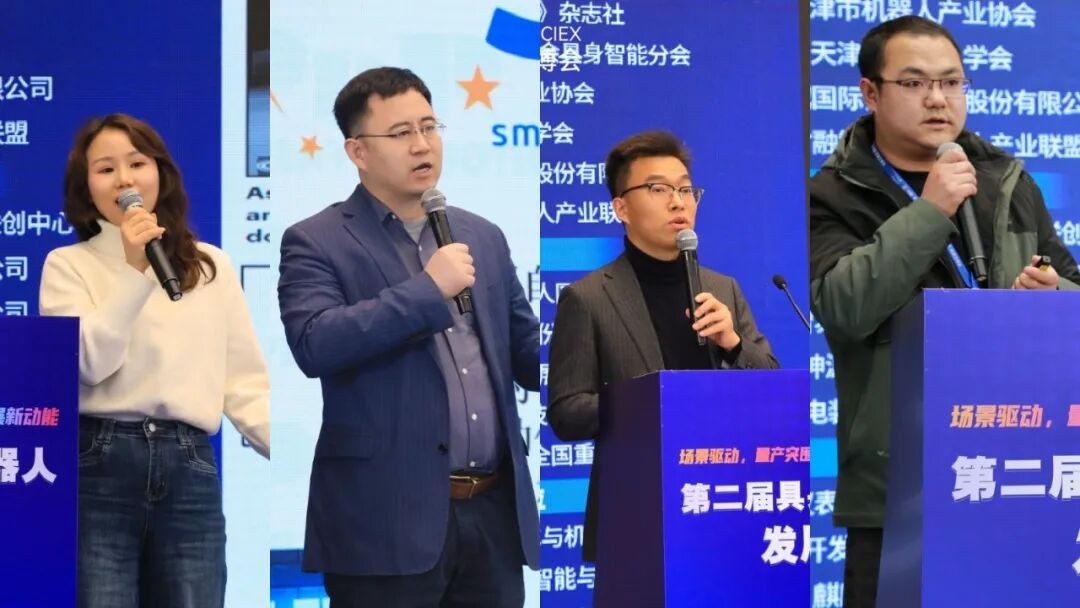
Yuan Jianjun, deputy director of Shanghai Robotics Research Institute, described the industrialization process of shield machine tool changing robot from laboratory to major engineering equipment, showing the practical value of robot technology in complex working conditions. Li Qingzhan, director of the research and development department of the wheel-arm robot of the Zhongbing Intelligent Innovation Research Institute, described the collaborative scene of humanoid robots in urban services. Zhao Baoshan, deputy director of Tianjin Aerospace Electromechanical Equipment Research Institute, stressed that commercial aerospace is the core support for the construction of a space power, and expounded the demand for physical intelligence in high-end manufacturing scenarios.
Wang Yuqin, chief engineer of the National Robot Quality Inspection and Testing Center (Chongqing), deeply analyzed the challenges and standardized paths of robot safety evaluation. PNP robot founder and CEO Bao Wentao introduced how plug-and-play modular design can integrate multi-modal data to accelerate application landing. Shi Fengcai, head of robotics marketing at Astroboy, analyzed the current state and future trends of humanoid robots from both market and technological perspectives. Zhang Yifeng, deputy general manager of Tianjin Zhiyi Times Science and Technology Development Co., Ltd., demonstrated the system design and typical application of inspection robots in environmental monitoring and industrial inspection.
This conference is not only an academic feast of intellectual exchange but also a vivid demonstration of technological innovation collaboration in the Beijing–Tianjin–Hebei region. Beijing Municipal Science and Technology Commission, Zhongguancun Management Committee and relevant leaders of Tianjin Science and Technology Bureau attended the meeting to help regional collaborative innovation. Participants agreed that although physically intelligent robots still face challenges such as complex environmental adaptation and technical bottlenecks in practical applications, it is these challenges that inspire the industry to continue to innovate and break through boundaries.
The conference concluded successfully in a warm and enthusiastic atmosphere. Participants said that this conference has built a high-level platform for exchanges and cooperation in the field of physical intelligent robots, and has injected surging momentum into promoting the industry from the laboratory to thousands of industries. In the future, with the continuous evolution of technology and the continuous expansion of application scenarios, physical intelligent robots will play a more important role in China's industrial transformation and social development.
Robot Safety Evaluation and Application Landing Communication